
Encouraging signs in tackling climate change – Part 2
Midlands green energy expert Ron Fox continues his series on some encouraging signs of progress in the last 12 months in the fight against climate change.
Warm Homes Plan: Households will be eligible for thousands of pounds’ worth of solar panels and other green technology to lower their energy bills, the government announced last month.
The long-awaited Warm Homes Plan promises to provide £15bn to households over the next five years to make the UK’s cold, draughty homes more efficient, as well as setting higher standards for rented properties.
Labour has said it wants to create a “rooftop revolution”, tripling the number of homes with solar power, and lifting one million people out of fuel poverty and to tackle the “national emergency” of high energy bills.
The plan is overseen by the new Warm Homes Agency, which aims to make it easier for people to make their homes warmer, greener, and cheaper to run and to help the country hit Net Zero.
The initiative, launched in January this year, aims to upgrade millions of homes to gain better energy efficiency, lower bills, and reduce carbon emissions by promising low/zero-interest loans and grants.
These will help towards home improvements, such as better insulation and using solar panels, plus making it easier for residents to switch to heat pumps and batteries for their energy.
The government also wants landlords to reach an Energy Performance Certificate (EPC) C rating by 2030, up from the present E rating on their rented accommodation, which will potentially save renters money.
This rating measures a property’s energy efficiency on a scale from A (the most efficient, with the lowest bills) to G (least efficient, with the highest bills). Valid for 10 years, the certificate is required when selling or renting out a home.
First touted back in 2024, the Warm Homes Plan promised to tackle the “national emergency” of rising energy bills, but it has taken two years for the final details to be published.
Other measures in the plan include:
- Extending the Boiler Upgrade Scheme by a further year to 2029/30, offering £7,500 grants for air source heat pumps.
- Low and zero-interest loans for households irrespective of income.
- Free, fully funded, or heavily subsidised energy-saving upgrades for eligible low-income households (e.g. income under £36,000 or on means-tested benefits).
But there are likely to be additional costs. For example, even after the subsidy, householders will pay on average £5,000 to install a heat pump.
But for an average three-bedroom semi-detached home, installing these three technologies could save £500 or more annually on energy bills.
“With the UK having some of the highest energy bills in Europe, all these proposals are to be warmly welcomed,” said Ron.
This article raises some important questions, said Ron. Will you be taking advantage of the Warm Homes Plan? Do you need expert help in deciding your priorities? Do you think it will make any difference, particularly if you are a renter? Send your views to Ron Fox at [email protected].
For more advice on the Warm Homes plan, insulation, solar panels and heat pump, contact Ron Fox, of Noreus Ltd at Keele University’s Science and Innovation Park, on 0845 474 6641 or contact us here
More encouraging signs in tackling climate change next week.
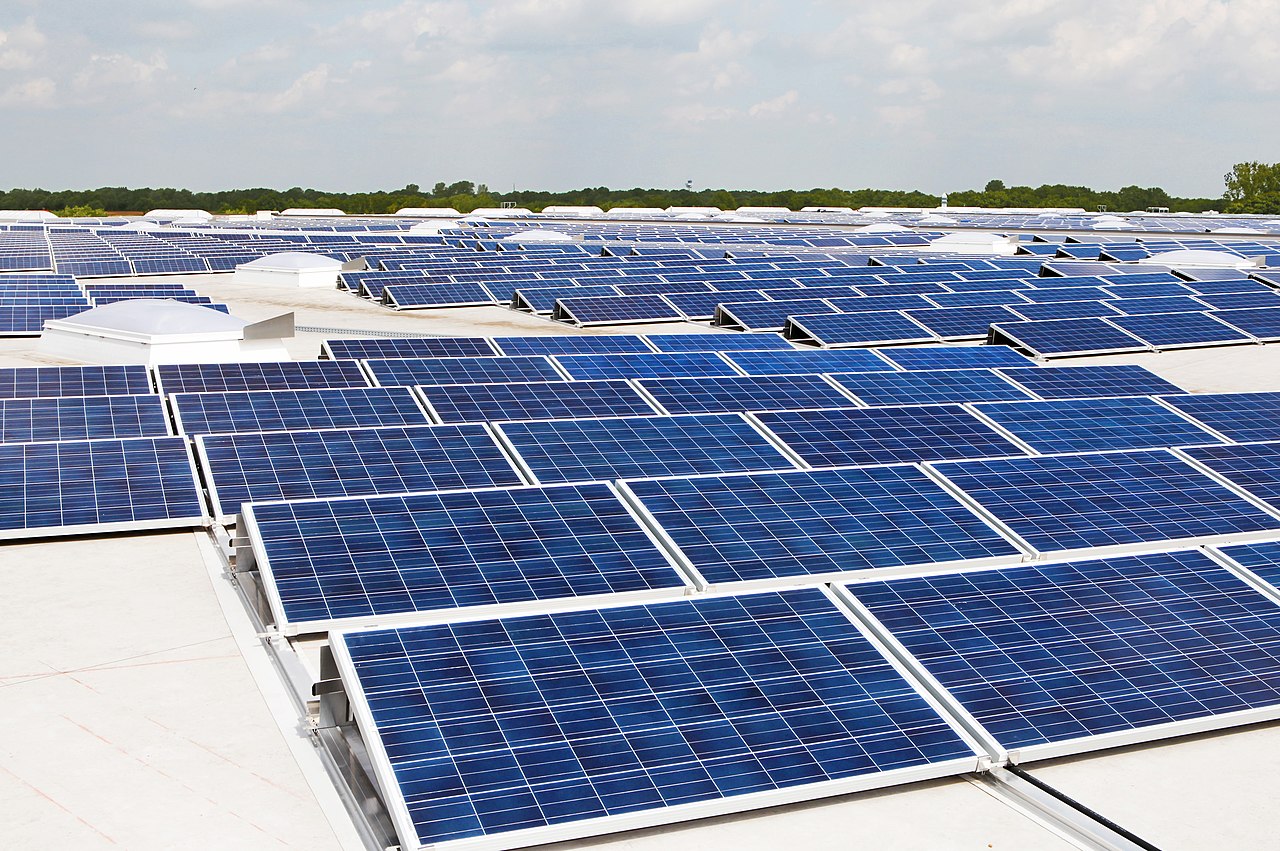
Warming news – homes can be more comfortable and with cheaper energy bills under the Government’s Warm Homes Plan. Picture: Noreus Ltd