
Be aware of new law on mould in social housing
Landlords of social housing need to be aware of a new law that requires them to fix reported damp, mould, and other serious hazards within a strict time limit.
That’s the advice of Midlands green energy expert Ron Fox who was commenting on Awaab’s Law, which came into effect on October 27 this year.
It has been brought in after the death of two-year-old Awaab Ishak, who died from prolonged exposure to mould in his home.
This legislation will be extended to cover a wide range of housing hazards from 2026 and is expected to eventually apply to private landlords. It will include all hazards in the home except overcrowding.
Ron, of Noreus Ltd, said the key requirements were:
Accountability: The law now holds social landlords legally accountable for maintaining safe and healthy living conditions for their tenants.
Damp and mould: Landlords must investigate damp and mould hazards reported to them within 10 working days and determine if they pose a significant risk to health.
Emergency hazards: These must be addressed within a strict timeframe. Landlords must begin repair work within 7 to 14 days.
Tenant support: Landlords must provide a written report of the investigation, including the next steps and a clear timeline for repairs.
For landlords and homeowners Ron advised that the mould is cleared promptly, reducing health risks. Small amounts of mould can be removed from hard surfaces with an appropriate cleaning product, preferably not bleach, and it should be left to dry completely.
Carpets, soft furnishings and ceiling tiles may have to be thrown away if they become mouldy. But Ron said larger areas of mould should be cleared by qualified professionals.
He also said the person removing the mould should wear a protective mask, gloves and goggles. Also, doors should be shut to help prevent mould spores from spreading to other areas, but windows should be left open during and after the clean-up.
The most common cause of mould, Ron said, was condensation from showering, drying laundry and cooking. Two ways to solve this were by improving ventilation and by better energy efficiency. Kitchens and bathrooms should have extractor fans, while the former should have cooker hoods to remove moisture from cooking.
Landlords may wish to consider humidity-controlled fans, which automatically activate when humidity reaches a certain point. Another option is ensuring the extractor fan continues for some time after the light is switched off.
One effective solution, Ron said, is a Positive Input Ventilation (PIV), which is one of the UK’s most popular low-energy systems. Installed in the void of a roof or inside a wall, they deliver continuously filtered air throughout the home to protect owners and tenants from the many harmful indoor air pollutants, which can lead to long-term health problems.
By controlling humidity and reducing condensation, PIV can also help prevent cold spots and dampness, making your home feel warmer and more cosy, even if you live in a flat or an apartment block. Operating costs are minimal, virtually no maintenance is required and the noise generated by the fans in the loft or walls is almost silent.
“With this new law, it is important these problems of damp are sorted out as soon as possible, so if in doubt get expert help,” concluded Ron, of Noreus Ltd on the University of Keele Science Innovation Park. For more advice contact him on 0845 474 664 or via our contact page here
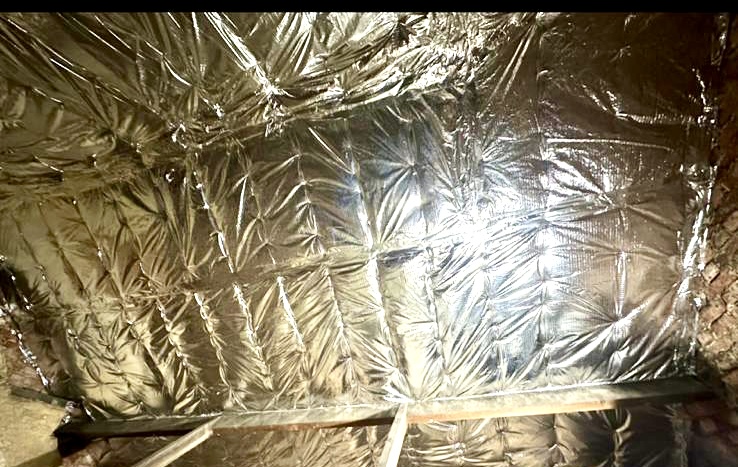
Caption: One effective solution to dealing with damp is a Positive Input Ventilation (PIV) system which can be put in the void of a roof or inside a wall.