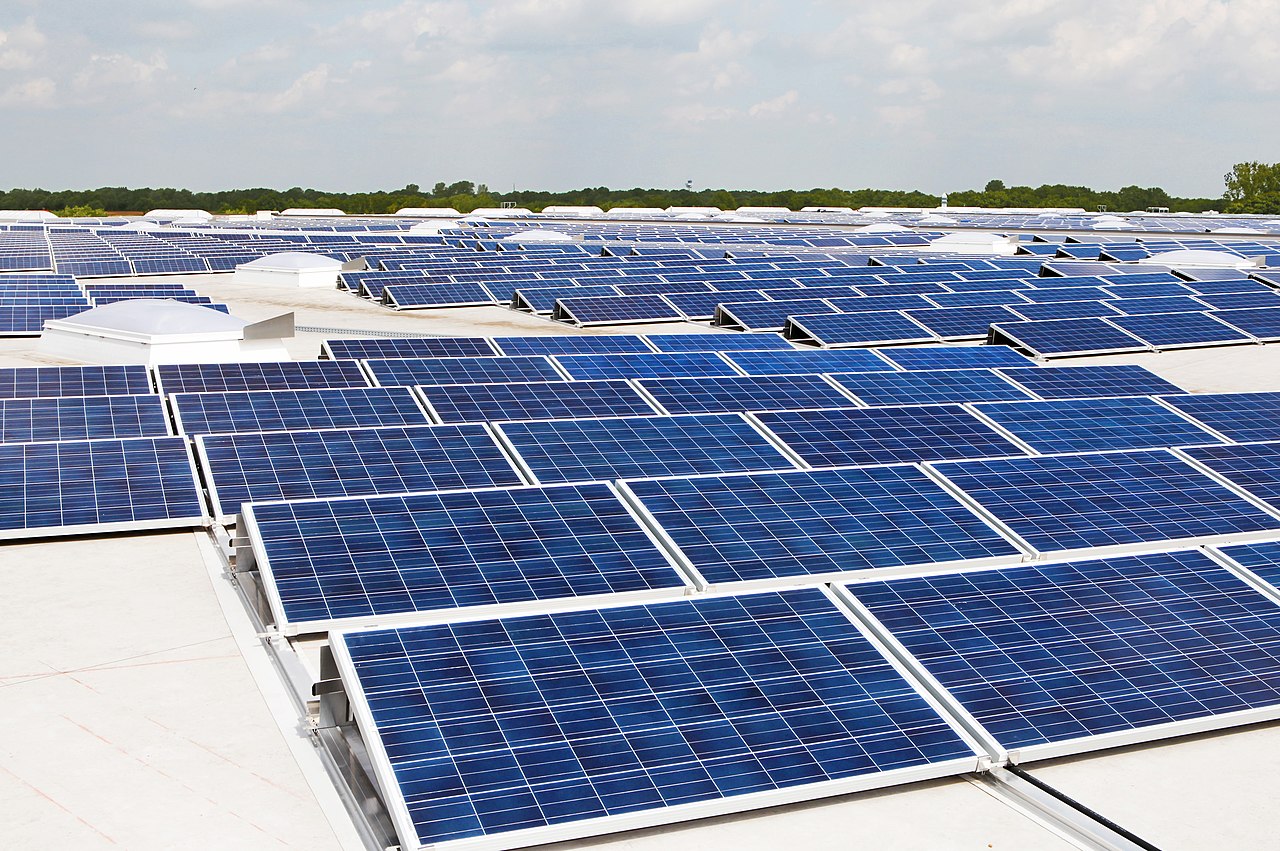

Can green hydrogen help the world reach net zero by 2050?
Could green hydrogen be one of the important renewable energies of the future to help fight climate change?
Midlands green expert Ron Fox gives the benefits and difficulties in developing this important resource so the world reach net zero by 2050 as agreed at the UN Climate Change Conference (COP21) in Paris in December 2015.
Firstly, Ron explained the advantages:
- There is plenty of it. Hydrogen is the most abundant chemical element on the planet. It is never found alone, but it can be used together with other chemical elements such as oxygen forming water or carbon to form organic compounds.
- It can replace fossil fuels. Because it cannot be taken directly from nature in its pure state, it needs to be manufactured using a chemical process. How this is done determines whether that hydrogen is a clean, sustainable renewable fuel or not.
- It doesn’t generate any polluting emissions. Green hydrogen is produced through a process of electrolysis which is powered by renewable energies such as wind or solar using electrodes to break down the water molecule into oxygen and hydrogen.
- It is clean energy as the only waste it generates is water. When hydrogen is stored in specific tanks it is channeled into a fuel cell where it binds again with oxygen from the air to make fuel and electricity to heat homes.
- It is renewable energy: It uses natural resources that are not exhausted.
- It is storable: Green hydrogen can be compressed and stored in tanks for a long time.
- It is transportable: Because it is a very light element, compressed hydrogen tanks allow easier handling than heavier lithium batteries.
But Ron said there were a number of problems that needed to be overcome.
- According to data from the International Energy Agency (IEA), some 70 million tonnes of grey hydrogen are produced worldwide each year with almost all of it from coal or natural gas, the most polluting techniques for the planet. Less than 1 per cent of green hydrogen comes from water electrolysis powered by renewable green energies:
- Producing this grey hydrogen emits 830 million tonnes of carbon dioxide per year, which is the annual CO₂ emitted by the economies of Indonesia and the United Kingdom combined.
- Green hydrogen is more expensive to produce than grey hydrogen and requires more energy than other fuels.
- Significant investments are needed as green hydrogen has high production costs.
- Safety issues: Hydrogen is a highly volatile and flammable element which requires extensive safety measures to prevent leakages and explosions.
“But there is good news,” said Ron, of Noreus Ltd on the University of Keele Science Innovation Park. “According to a report by the International Renewable Energy Agency (IRENA), the cost of hydrogen installations could decrease from 40 to 80 per cent in the long term.
“Also, the fall in the price of renewable energies is helping it to become increasingly competitive. Solar electricity is 10 times cheaper than it was a decade ago and wind energy costs are 50 per cent lower than they were, making it possible for the electricity needed for the electrolysis process to be reduced in price which could make producing green hydrogen profitable from 2030.”
If you want any advice on green energy solutions, contact Ron on 0845 474 6641.
Caption: Could green hydrogen help in the climate change battle? Picture: Wikipedia