
Encouraging signs in tackling climate change – Final part
Midlands green energy expert Ron Fox concludes his series on some encouraging signs of progress in the last 12 months, in the fight against climate change.
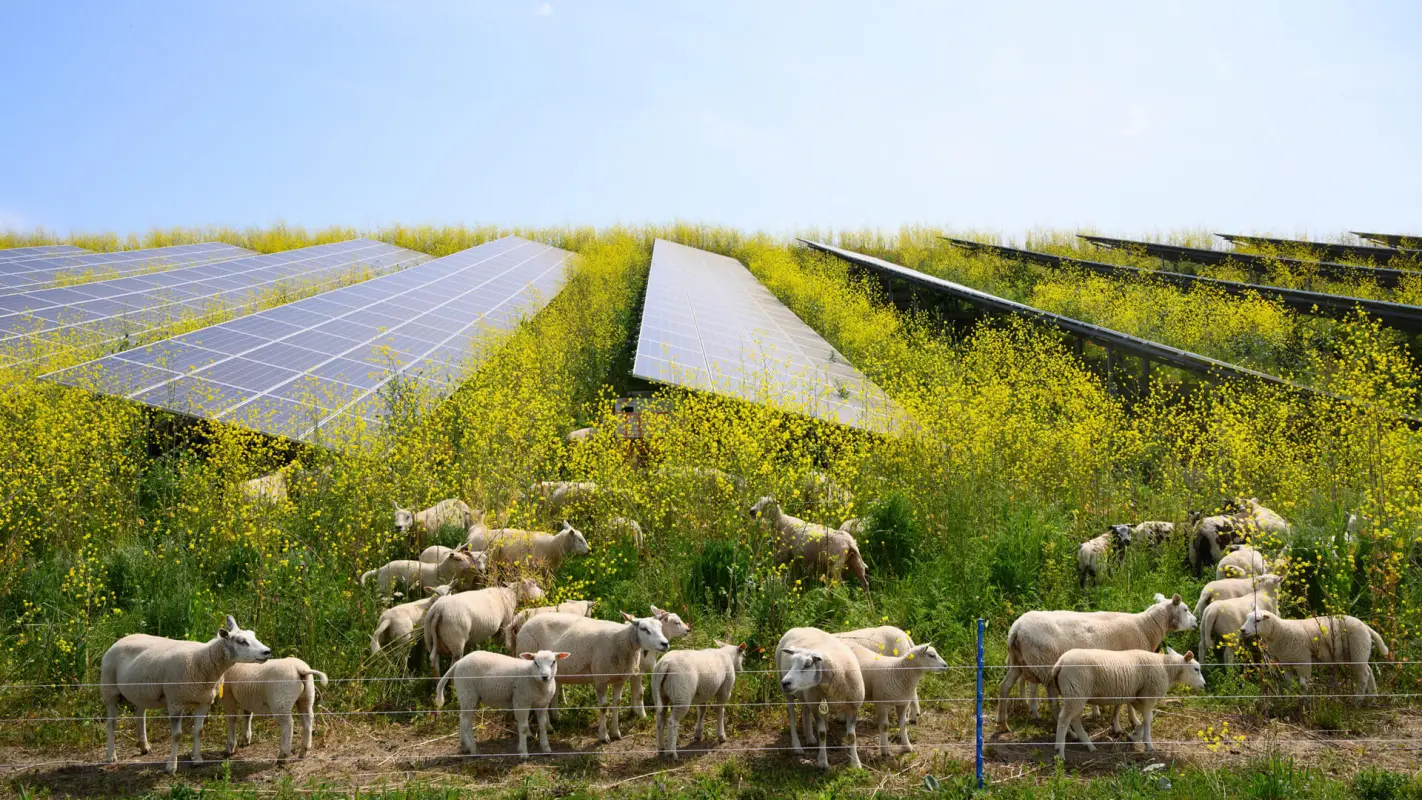
Solar farms record: Green energy and householders’ energy bills received a double boost after the government announced the biggest expansion yet of solar farms, awarding contracts to 157 projects across the country.
Ed Miliband, the energy secretary, said the farms would generate power at less than half the price of the alternative of building and running a new gas power plant.
He said the move would also bring in a new era of energy abundance and independence, helping to reduce residential bills.
He continued: By backing solar and onshore wind at scale, we’re driving bills down for families and businesses as well as protecting our country from the “fossil fuel rollercoaster controlled by petrostates and dictators.”
Other renewable energy projects to get contracts include onshore wind – mainly in Scotland – and a small number of tidal power developments.
All of the solar projects had already been granted planning permission, and are now due to be delivered in the next few years, up to 2029.
“This is very good news,” said Ron, of Noreus Ltd, at Keele University’s Science and Innovation Park, “and will help the government to achieve its target of getting at least 95 per cent of Great Britain’s electricity from “clean” sources, including renewables, such as solar and wind and nuclear energy by 2030.
He said while solar power could be relied on throughout the year when there are short, dull winter days, it can complement wind power, particularly during the summer months when wind speeds tend to be lower.
Last year, solar energy provided more than 6 per cent of Great Britain’s electricity, rising to more than 40 per cent for a small number of half-hour periods in July.
The government is targeting 45-47 gigawatts (GW) of solar power capacity by 2030, to help meet its clean power goal, potentially rising to 54-57GW with extra rooftop solar sites.
That would be up from 21GW as of autumn 2025, according to government figures.
The government also wants more batteries and other storage systems, to be able to make use of solar energy outside the sunny periods.
The results have been welcomed by climate and clean energy groups, who see solar as a relatively cheap way to reduce the UK’s reliance on fossil fuels during the summer months.
But there may be some opposition from local communities opposing such large developments on their doorstep. They fear it could cause “mass industrialisation” of the countryside.
Separately, the government has announced the launch of its “Local Power Plan”, which it says will allow communities around the UK to “own and control their own energy”.
It has committed up to £1bn of funding – part of the money already pledged for its state-owned Great British Energy company – for local energy projects, such as solar panels on community buildings like leisure centres.
This article raises some important questions, said Ron. What do you think about new solar farms in your neighbourhood? Would you welcome them if it meant cheaper energy bills? Also, what do you think of the Local Power Plan allowing communities to own and control their own energy? Send your views to Ron Fox at [email protected]
For more advice on solar farms and green energy, contact Ron Fox, of Noreus Ltd on 0845 474 6641 or contact us here.
Caption: Powerful message – Government awards record 157 solar farms contracts across the country.