
Cold comfort with 13 per cent rise in energy bills
A 13 per cent increase in energy prices next month is very disappointing, said Midland green energy expert Ron Fox.
He was commenting on a recent announcement by regulator Ofgem that household gas and electricity prices will go up in July because of soaring wholesale costs caused by the US-Israel war with Iran.
It means that consumers on variable tariffs in England, Scotland and Wales, using a typical amount of gas and electricity, will pay £221 more a year, with an annual bill of £1,862.
But your actual bill depends on the overall amount of energy you use, how you pay for it, where you live, the type of property you have, how many people live there and how energy efficient it is.
Suppliers have warned that costs could go even higher in the colder winter months without an end to the conflict.
“It is a blow for householders,” said Ron, “after domestic energy bills fell by 7 per cent between April and July, following a shake-up in charges by the government.
“But that was just before the Iran war began, which is now hitting bills for the first time after energy costs have soared.”
The problem, said Ron, of Noreus Ltd, at Keele University’s Science and Innovation Park, is that a fifth of the world’s oil and gas usually flows through the Strait of Hormuz waterway, and costs have rocketed since Iran responded to US and Israeli attacks by effectively blocking the crucial shipping route.
The jump in bills will equate to a rise of £18 a month for the average household using both electricity and gas, with households seeing an increase of 24 per cent on their gas bills and 5 per cent on their electricity bills. Standing charges are almost unchanged.
About 40% of bill-payers have fixed tariffs and are unaffected because their price will not change until the end of their fixed term.
But Ofgem has decided to reduce what it believes to be a “typical” level of energy use, because many households have cut back owing to high prices of recent years, and energy efficiency has improved. Its new estimate is 9,500 kWh of gas and 2,500 kWh of electricity a year.
But that could mask what remains a sharp rise in prices, and will not change the fact that consumers will pay considerably more for each unit of energy.
The energy cap covers 33 million households in England, Wales and Scotland. Regulations and bills are different in Northern Ireland.
Of the 33 million customers, around 19 million pay by direct debit, around 7 million pay when they get a bill, and around 6 million have prepayment meters.
Introduced in 2019, the cap limits the price that suppliers can charge householders for each unit of gas and electricity on standard tariffs. Updated every three months, it was designed to prevent customers from being ripped off.
The government has said it is working on plans to provide targeted support for those most in need if bills remain expensive into the winter, when households use more energy.
This article raises some important questions, said Ron. Are you worried about how you are going to pay these higher bills, as some of our readers are? What ideas are you using to reduce the amount of gas and electricity you use? Should the Government be doing more to help with rising bills? Send your views to Ron Fox at [email protected]
For more details about green energy and reducing your costs, call Ron on 0845 474 6641 or contact us here
Next week: Ron’s top ten tips to cut your gas and electricity bills.
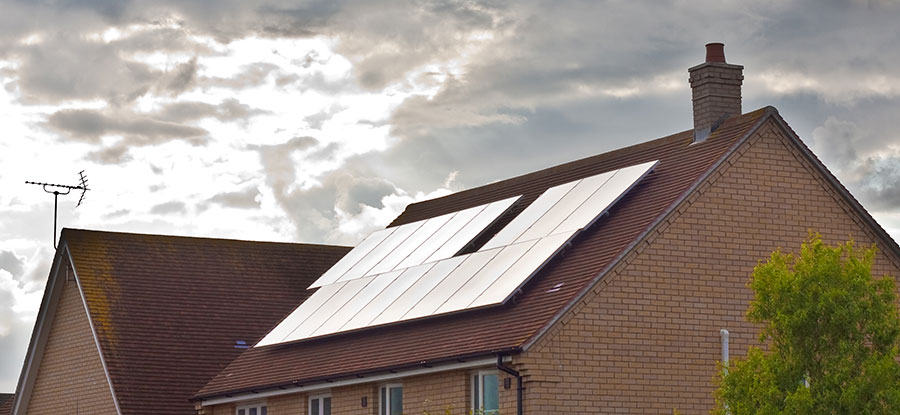
Caption: Electric shock with a 13 per cent increase in energy prices next month. Picture: John Butterworth