
Ron gives his top ten tips to cut energy bills
Following the 13 per cent increase in gas and electricity prices next month because of soaring wholesale costs caused by the US-Israel war with Iran, Midlands green energy expert Ron Fox gives his top ten tips on how householders can reduce their bills.
Regulator Ofgem’s announcement means that consumers on variable tariffs in England, Scotland and Wales using a typical amount of gas and electricity will pay £221 more a year, with an annual bill of £1,862. But suppliers have warned that costs could go even higher later in the year without an end to the conflict.
“Although this is unwelcome news,” said Ron, of Noreus Ltd on the University of Keele Science and Innovation Park, “there are still some simple measures residents can take now to save money.”
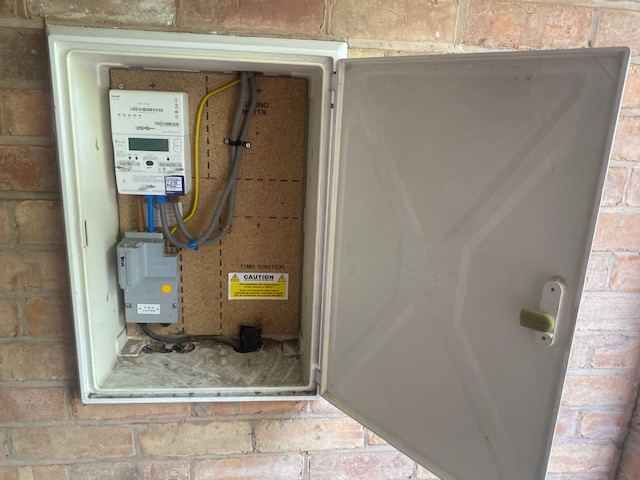
- Don’t raise your cap: Submitting a meter reading on the day the cap changes means you are not charged for estimated usage at the wrong rate. This is especially important when prices go up. Customers with working smart meters do not need to submit a reading as their bill is calculated automatically.
- Deal or no deal: About 40 per cent of bill-payers are on fixed-price deals which are not affected by the energy price cap that changes every three months. They offer certainty for a set period of a year or longer. But if energy prices drop when you are on the deal, you could be stuck at a higher price, and you may also have to pay a penalty to leave a fixed deal early. Experts recommend checking whole-of-market energy price comparison sites to help find the best deal. Also, look at discounted variable tariffs that guarantee your rates stay a set amount below the Ofgem price cap. If you have a smart meter, consider dynamic tariffs that lower your bills by shifting energy-heavy tasks like EV charging or washing to cheaper, off-peak hours.
- Take direct action: Paying via direct debit each month rather than receiving a bill every three months will save money. Of the 33 million customers, around 19 million pay by direct debit, around 7 million pay when they get a bill, and around 6 million have pre-payment meters.
- Bridge the gaps: Draughtproofing, such as doing repairs and putting in aluminium foil home insulation to block unwanted cold air entering your home through gaps and cracks around windows, doors, walls or around pipes will mean less energy is needed to heat your home. Note since April 1 this year charges related to the insulation scheme – called the Energy Company Obligation – have been scrapped, and for three years, renewable energy projects will be 75 per cent funded by general taxation instead of a levy on energy bills. Also, bleed radiators as trapped air creates cold spots and forces your system to work hard so using more energy. Finally, reduce your boiler flow temperature, which can cut your bills without making your home noticeably colder.
- Four-minute smile: Limit your time in the shower to four minutes. The charity WaterAid has compiled a playlist of four-minute songs to help you keep to time.
- Make light work of it: Replacing traditional and halogen lightbulbs with energy efficient LEDs can save an average household up to £45 a year.
- Don’t get in a spin: You can save around £13 a year just by washing at the lower 30 degrees and reducing your washing machine use. Dry clothes on racks inside the home where possible or outside in warmer weather instead of using a tumble dryer, which will save £50 a year.
- Go full on: Running your dishwasher when it’s full will reduce the amount of water you use and cut your bills.
- Don’t just stand by: Four appliances you should switch off completely and never leave on standby are: Gaming consoles and Satellite TV boxes, which account for approximately six per cent of a household’s energy bill. Leaving a microwave on standby can mean around an extra £3 to £6 per year in electricity, while a desktop computer left on standby can cost around £10 to £15 per year.
- Help: What support is there for those struggling to pay their energy bills? The latest figures show that the level of energy debt and arrears in England, Wales and Scotland between April and June 2025 was £4.4bn, £750m higher than in the same period in 2024. The data also showed that more than one million households had no arrangement to repay their debt, another record high.
Firstly, your energy provider is legally required to help you agree on an affordable payment plan, and many offer hardship or charitable funds. You can apply for grants from the British Gas Energy Trust regardless of who supplies your gas or electricity.
Secondly, your local authority administers the Household Support Fund (often called the Crisis and Resilience Fund), which helps vulnerable residents cover heating and energy essentials.
Thirdly, if you cannot afford to top up your pre-payment meter, contact your supplier immediately to request temporary emergency credit or a fuel voucher (a digital code used to add credit).
Fourthly, speak to free, confidential debt and energy charities such as Citizens Advice to ensure you are receiving all the benefits you are entitled to.
Finally, about nine million pensioners also got the Winter Fuel Payment in 2025/2026, worth £200 or £300, after a government U-turn over eligibility.
This article raises some important questions, said Ron. Are you planning to make any changes this year to your home to cut your energy bills, as some of our readers are? What ideas are you using to reduce the amount of gas and electricity you use? How should the Government help the poor and elderly with rising bills this winter? Send your views to Ron Fox at [email protected]
For those wanting more advice about reducing their energy bills, call Ron on 0845 474 6641 or contact us here.
Caption: Not a load of hot air – bleeding your radiators can help reduce your energy bills. Picture: John Butterworth