
Powerful message in cutting VAT on electricity bills
The 5 per cent cut in VAT to zero on all electricity bills is a step in the right direction, says Midlands green energy expert Ron Fox.
It will come into effect on October 1 and last for six months until April 2027, saving a typical household about £25, although the exact amount people save will depend on how much electricity they use.
This will more than offset the forecast rise in the price cap, which, prior to this announcement, was set to increase by 1.2 per cent, costing the average household £5 over the six months from October.
“Energy prices are too expensive in Britain and need to come down,” said Ron, of Noreus Ltd on the University of Keele Science and Innovation Park. “This is a good move, but more needs to be done in the future.”
The VAT move is part of new Prime Minister Andy Burnham’s pledge to help with the cost of living.
Jonathan Reynolds, the new business secretary, said the cut would give people some “breathing space” with the cost of living.
He said it was funded until the end of the financial year in March 2027 and any changes beyond that would have to be announced in the next Budget.
For British Gas household electricity customers, the VAT reduction will be l automatically applied from October 1. This includes customers on fixed tariffs, so the reduced VAT rate will be reflected on the bill once the change comes into effect.
Suppliers have been told the VAT reduction should be passed on to all household customers, including those on fixed tariffs.
The cut will take effect in England, Scotland and Wales, but equivalent funding would be given to Northern Ireland.
The reduction could not be automatically applied in Northern Ireland due to EU rules limiting the range of goods which can be sold without VAT. Following Brexit, England, Scotland and Wales are not bound by these restrictions.
Small businesses who qualify for the domestic energy VAT relief and are not registered for VAT, as well as charities and residential care homes eligible for the reduced rate, will also benefit.
But Ron said: “The problem is that if the aim is to help low-income households, a VAT cut is a poor lever since the biggest cash gains will go towards richer households who use more electricity.”
On average, the tenth of households with the lowest disposable incomes allocate 5 per cent of their spending to electricity bills, compared with just 2 per cent for the tenth of households with the highest disposable incomes.
However, some vulnerable households are also high electricity users, particularly those using medical equipment.
Ron added: “Also, we will now have VAT on domestic gas, but not on domestic electricity.
“If the Government wants to make this policy permanent – and it will be politically too difficult to reverse it – they will have to find more funding for future years.
“Finally,” he concluded, “the problem is even more complicated because we have other taxes on electricity, but not gas, that fund subsidies for renewables.”
This article raises some important questions, said Ron. Are you happy with the VAT reduction on electricity bills as some of our readers are? Should more be done to reduce energy bills? Do you think the Government will continue with this VAT cut on electricity bills next year and where should the money come from to pay for this? Send your views to Ron Fox at [email protected]
If you’re finding it difficult to pay your energy bills, support is available. Just speak with your energy supplier for help to manage your payments. The British Gas Energy Trust also offers grants and practical advice to people who need it most. You don’t have to be a British Gas customer to apply.
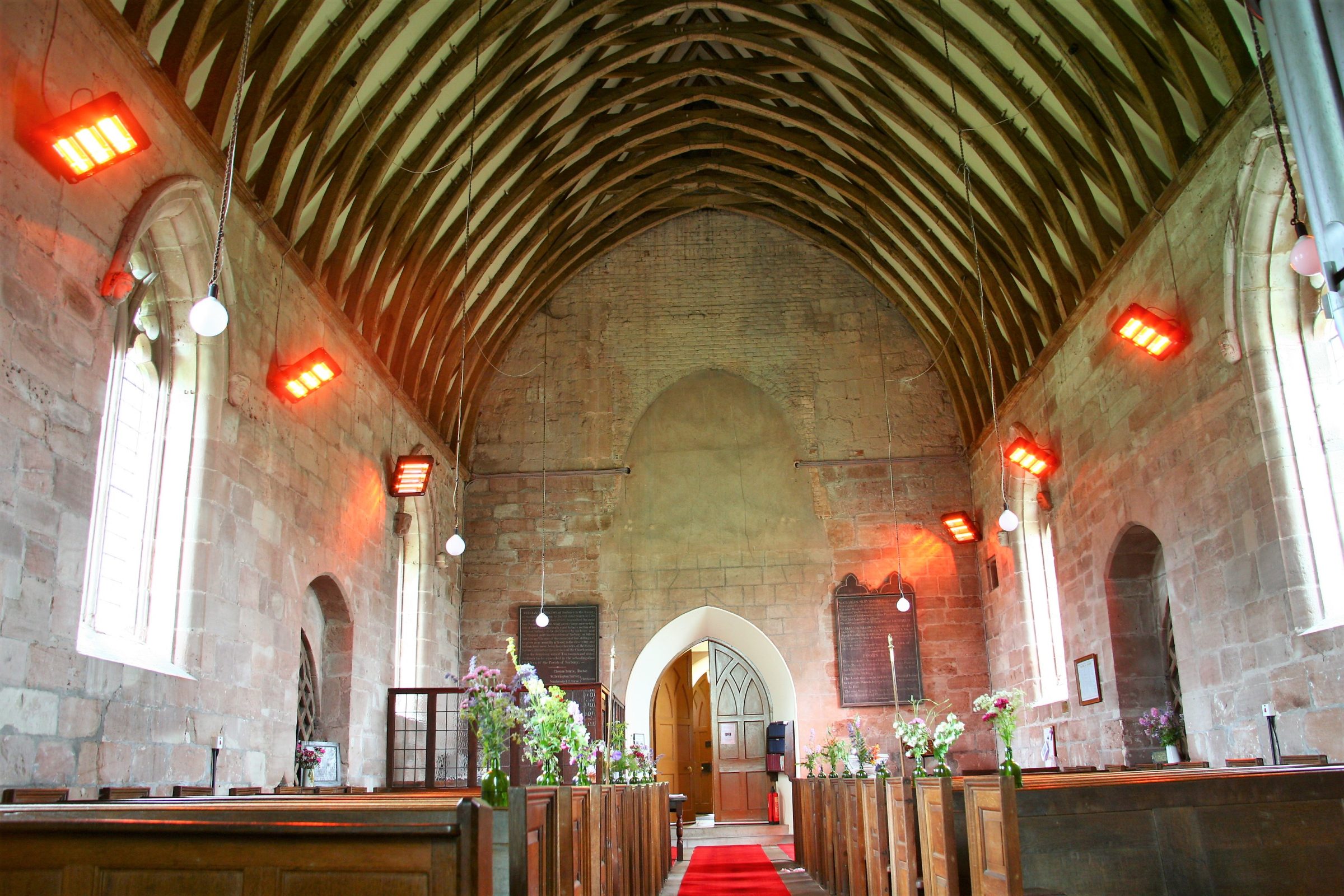
Caption: Powering ahead with a 5 per cent cut in VAT to zero on all electricity bills. Picture: John Butterworth