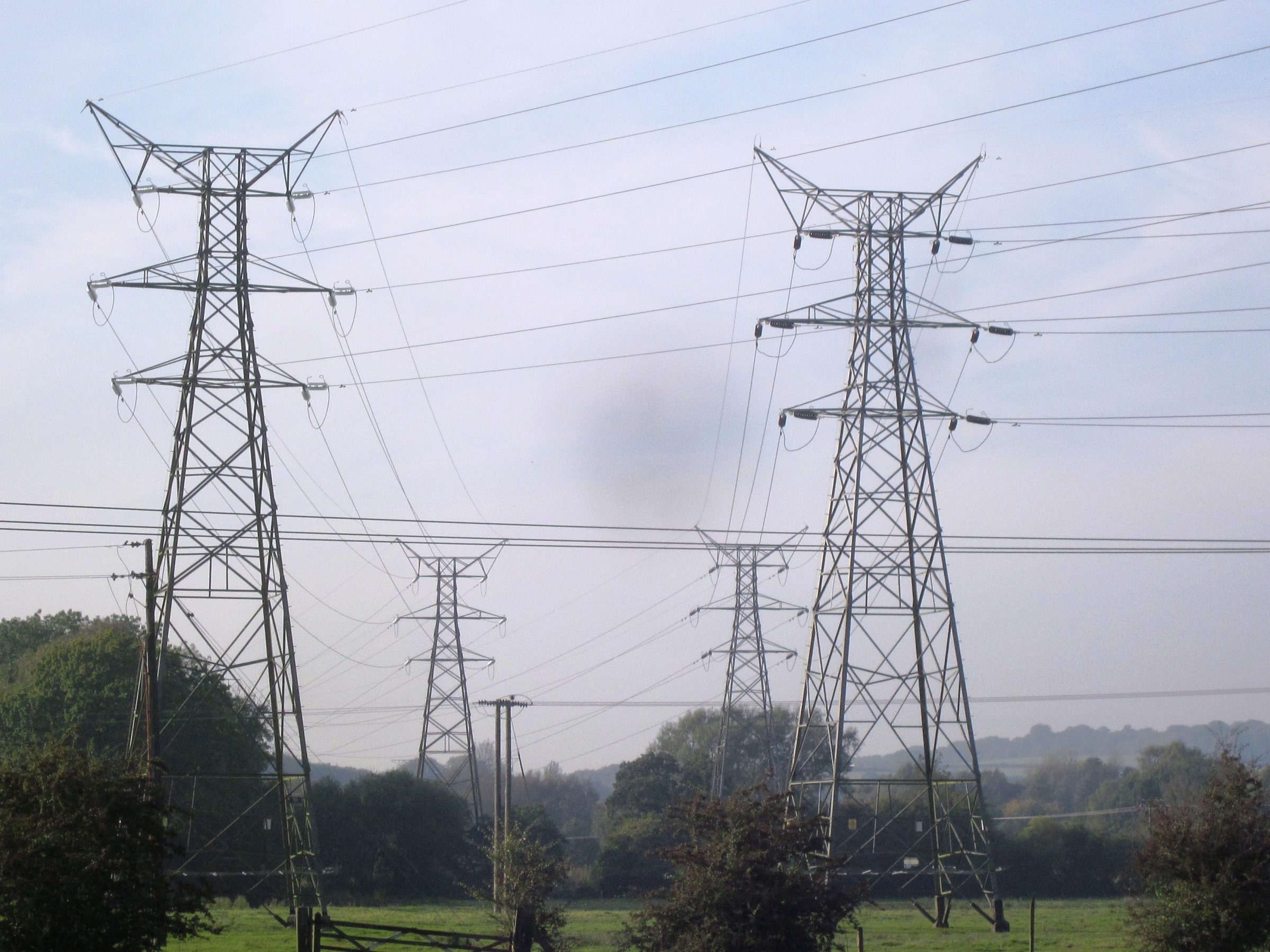

Why are electricity prices so shockingly high for the UK
With energy prices for millions of households rising to the highest level for three years in a few days’ time, many are asking why is Britain’s electricity among the costliest in Europe.
Despite the UK government announcing it will cut VAT on domestic electricity this October from 5 per cent to zero in an attempt to help with the cost of living, British households are still paying more for power than many other European nations.
Only Ireland, Germany and Belgium homes have bigger bills on average for their electricity than the UK.
Regulator Ofgem said the price cap would increase by 4 per cent on October 1 because of higher wholesale prices due to the Israel-America war on Iran.
It means an average household using a typical amount of gas and electricity a year will pay £60 more to £1,723. However, the final bill depends on how much energy people use. Also, more than a third of homes, 11 million, are on fixed tariffs, so their prices will not change.
Midlands green energy expert Ron Fox, of Noreus Ltd on the University of Keele Science and Innovation Park, said there were three key reasons why British electricity prices are high.
Firstly, the cost of wholesale gas often sets the electricity price.
The price energy suppliers pay for electricity is decided by a bidding process with each generating company saying what it would be willing to accept to produce one unit of electricity.
The cost of generating power from renewables like wind and solar is relatively low, so these typically come in with the cheapest bid. Nuclear might come next.
Gas generators often have the highest costs because they have to buy fuel to generate electricity as well as paying a “carbon price” – a charge for emissions.
This means that even if gas only generates 1 per cent of overall electricity at a given time, it can often set the overall wholesale price which is paid to every type of power generator.
That raises prices for households, particularly because the wars in Iran and Ukraine have increased the cost of gas.
Northern Ireland operates on a separate system to the rest of the UK, being part of the Single Electricity Market with the Republic of Ireland.
Secondly, electricity prices are higher in the UK than in some other countries because we generate a relatively high share of our electricity from natural gas.
Last year 31 per cent of the UK’s electricity was produced from burning natural gas compared with just 3 per cent in France, which generated the majority of its electricity – 69 per cent – from nuclear power.
The US has a higher share of natural gas in its electricity mix than the UK – 40 per cent – but American wholesale gas prices are considerably lower because of their shale gas production boom of the past 20 years.
Thirdly, the UK is investing more in the electricity grid to make up for underinvestment in the last decade.
Energy bills have been pushed up in recent years by state subsidies to encourage private firms to build new wind and solar farms and also to expand and modernise the national electricity grid network. Network costs are projected to increase further by 2030, adding another £48 to a typical bill.
However, the government and some energy groups also argue that by reducing our national reliance on volatile international gas prices via the government’s 2030 clean power policy, it will keep down the UK’s wholesale electricity costs and mean household bills will be lower than they would otherwise have been.
However, future wholesale gas prices are impossible to forecast accurately.
Some analysts, including the government’s Climate Change Committee, also say the government should go further by cutting costs from household electricity bills and paying for them through general taxation instead. They hope this move will encourage more people to use electricity rather than gas to heat their homes.
This article raises some important questions, said Ron. Do you use gas rather than electricity to heat your home as some of our readers do? If you use gas what would encourage you to change to electricity? Should the Government be doing more to lower electricity prices? Send your views to Ron Fox at [email protected]
For more details about how to cut your electricity bills and to invest in green energy call Ron on 0845 474 6641 or contact us here
Caption: A shocking price – Midlands green energy expert Ron Fox explains why Britain’s electricity is among the costliest in Europe. Picture: John Butterworth